A Guide to Everyday Carry Bags That Work
A bag earns its place in your routine when it makes the 8 a.m. commute, the afternoon meeting, and an unplanned dinner feel equally considered. This guide to everyday carry bags is about finding that balance: a piece with enough function for real life, and enough presence to complete the way you dress.
The right choice is rarely the largest bag or the one with the most pockets. It is the one that supports your day without competing with it. A clean silhouette, a comfortable carry, and intentional organization can turn a practical accessory into a signature part of your wardrobe.
Start With the Life Your Bag Needs to Support
Before comparing colors, hardware, or silhouettes, consider what actually travels with you. A phone, cardholder, keys, sunglasses, and lip color call for a different bag than a laptop, charger, notebook, water bottle, and a change of shoes. Capacity matters, but unused volume often creates its own kind of clutter.
Think about the moments that define a typical week. If your days move between work, errands, and evening plans, versatility should lead the decision. If you work remotely but spend weekends exploring the city, a compact crossbody or shoulder bag may offer more value than a structured work tote. For frequent travel, hands-free comfort and easy access become more important than a highly polished profile alone.
A considered bag should meet your routine where it is, not ask you to reshape your routine around it.
Choose One Primary Purpose
Most everyday bags fall into one of three roles: a polished daily companion, a work-ready carryall, or a compact hands-free essential. It is possible for one design to overlap these categories, but asking a mini bag to carry a workday or a large duffle to feel effortless at dinner usually creates a compromise.
For a daily companion, look for a medium shoulder bag or crossbody with room for essentials and a few personal extras. For work, a structured tote, backpack, or larger shoulder bag should comfortably hold technology and documents while retaining its shape. For light errands, travel days, or social plans, a mini bag or belt bag keeps the silhouette clean and your hands free.
Guide to Everyday Carry Bags: Get the Proportions Right
A beautiful bag can still feel wrong if its scale does not suit your frame, wardrobe, or usual load. Proportion affects both comfort and visual balance. The goal is not to follow a rigid rule, but to choose a shape that feels natural against the clothing you wear most.
The Medium Bag Is Often the Most Flexible
Medium-sized bags tend to offer the broadest range of use. They carry the essentials without looking overly utilitarian, and they work with tailored layers, denim, dresses, and relaxed separates. A medium shoulder bag in a neutral tone can move easily from weekday structure to weekend ease.
Pay attention to the opening. A wide top can make access simple, while a zip closure offers greater security on commutes and crowded days. Neither is universally better. An open bag may suit someone who reaches for their belongings throughout the day, while a secure closure can bring welcome peace of mind when traveling or navigating public transit.
Large Bags Need Structure, Not Just Space
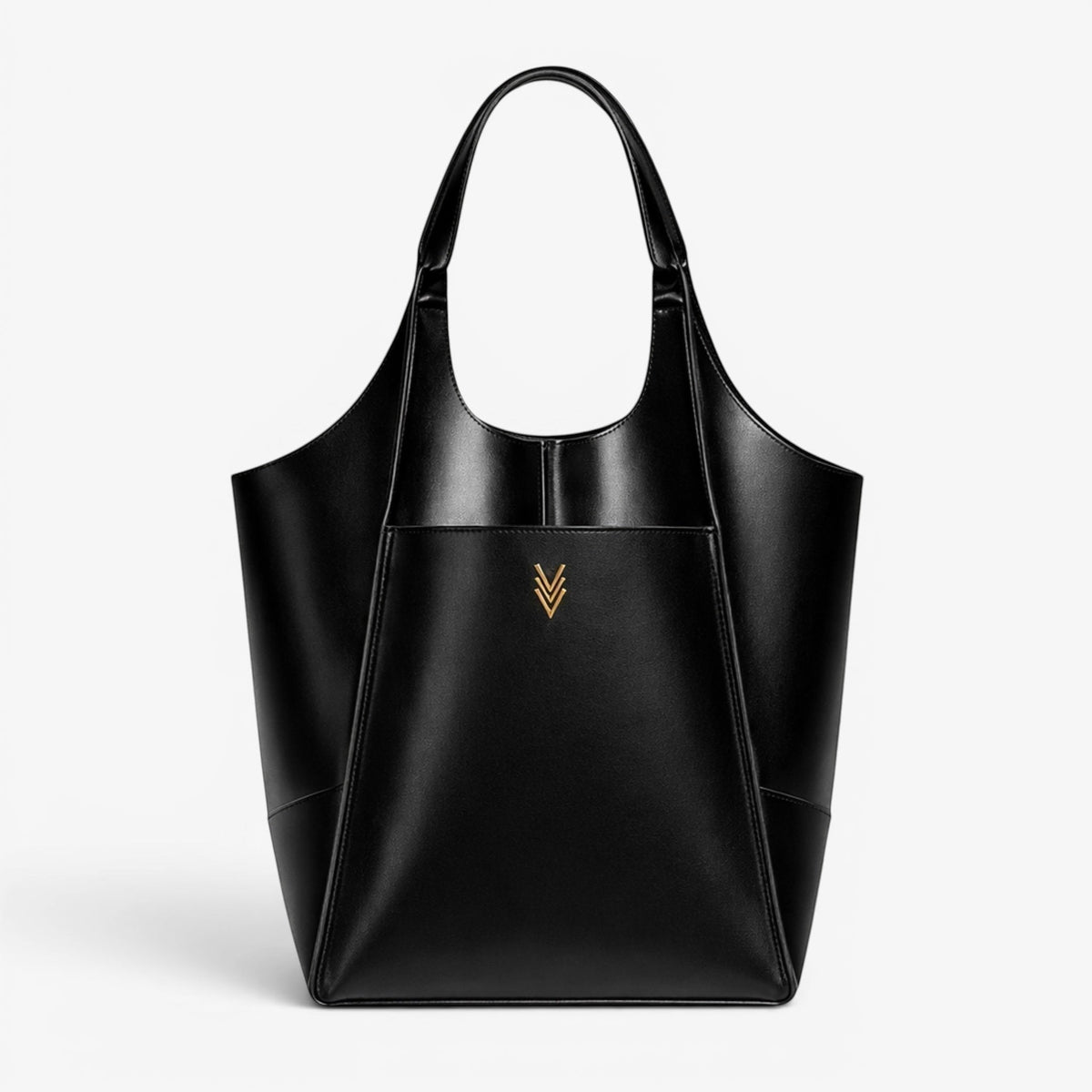
A larger tote or backpack is a practical choice when your day includes a laptop, files, a packed lunch, or gym essentials. But capacity should not come at the expense of shape. A soft, oversized bag can look relaxed and elegant, yet it may become difficult to organize when filled with smaller items.
For a more polished workday option, choose a bag with a defined base, comfortable straps, and enough internal structure to prevent a loose collection of essentials at the bottom. If you carry a laptop, confirm the bag’s dimensions rather than relying on a general description such as “spacious.” A few inches can make the difference between a bag that works daily and one that stays in the closet.
Compact Styles Make a Stronger Statement
Mini bags, belt bags, and smaller crossbody styles ask you to edit, which can be liberating. They are ideal for a phone, wallet, keys, sunglasses, and a few small essentials. Their appeal lies in precision: the bag feels light, the outfit feels composed, and nothing unnecessary comes along.
The trade-off is obvious. A compact design will not replace a work bag or travel tote, and forcing too much into it can distort the silhouette. Consider it a purposeful second bag for evenings, events, quick outings, and days when you want a lighter way to move.
Organization Should Feel Invisible
The best organization is useful without making a bag feel overdesigned. One secure interior pocket can be more valuable than a dozen narrow compartments that fit only one particular item. Look for thoughtful placement rather than an excess of features.
A zip pocket is ideal for cards, cash, or valuables. A slip pocket can keep a phone within reach. A central compartment or divider may be helpful for work essentials, though it can reduce flexibility if you tend to carry differently sized items. The right interior depends on how you naturally pack, not on how a bag appears in a product image.
Consider the small details, too. A key leash can be helpful for someone who is always searching at the bottom of a tote. An exterior pocket can make transit cards or a phone easier to access, but it may not be the preferred choice for valuables. Good design anticipates these decisions without making them for you.
Prioritize Carry Comfort and Versatility
A bag may look refined on a shelf, but everyday carry is physical. Strap length, handle drop, weight, and closure all affect whether you reach for it repeatedly. Try to picture the bag with a coat, blazer, or heavier knit, not only with a light top. A shoulder strap that fits comfortably in warm weather can become restrictive over outerwear.
Adjustable crossbody straps offer welcome flexibility, especially on days that involve walking or travel. A removable strap can also extend the life of a bag by allowing it to shift from shoulder carry to handheld styling. For larger styles, wider straps help distribute weight more comfortably, though they should still sit cleanly against the body.
Backpacks offer a particularly practical answer for commuters and travelers, but their shape deserves the same attention as a handbag. A streamlined backpack with considered hardware and a structured profile can feel as elevated as a tote while keeping weight balanced. The difference is in the finish: clean lines, intentional proportions, and materials that hold their shape.
Material Is Part of the Everyday Experience
Material influences more than appearance. It affects how a bag wears, how easily it cleans, how it feels in the hand, and whether it remains relevant after a season. Premium vegan leather offers a considered alternative for shoppers who want a polished finish without traditional animal leather.
Look for a surface that feels substantial and smooth, with a construction that supports the bag’s form. Thoughtful stitching, reinforced handles, neat edge finishing, and quality hardware all contribute to a more enduring impression. These details may seem subtle at first, but they are what you notice after months of opening, carrying, and setting down a bag.
Color also has a practical role. Black, espresso, taupe, and warm neutrals offer maximum wardrobe range and tend to maintain a timeless presence. A rich seasonal shade can be equally worthwhile if the silhouette is restrained enough to wear for years. The most useful color is the one that works with the shoes, outerwear, and jewelry you already reach for.
At VAGOShops, this approach is reflected in carry pieces designed around timeless design, modern function, and intentional craftsmanship. The aim is not to make a bag feel precious, but to make it feel considered enough to carry often.
Build a Small Rotation Instead of Seeking One Perfect Bag
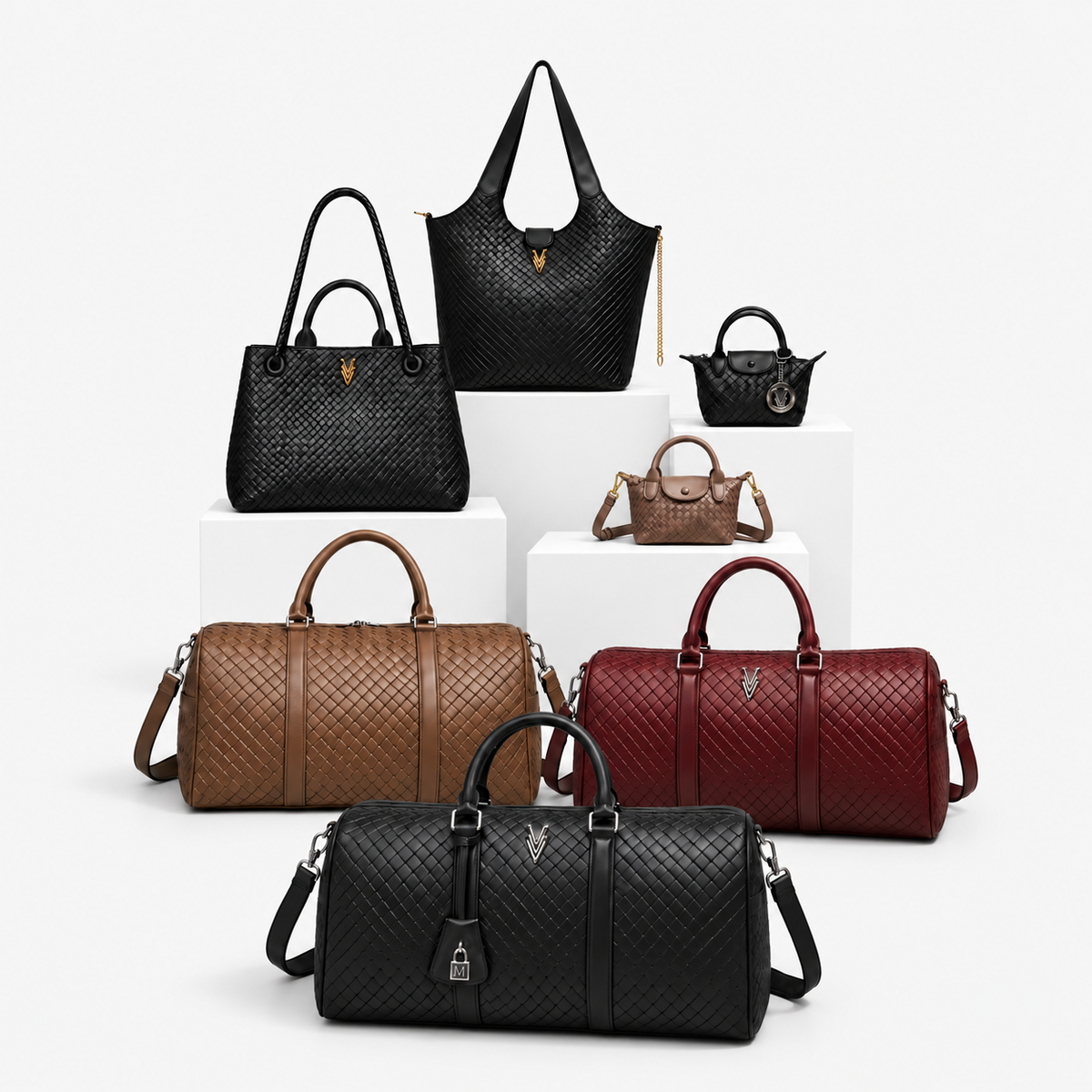
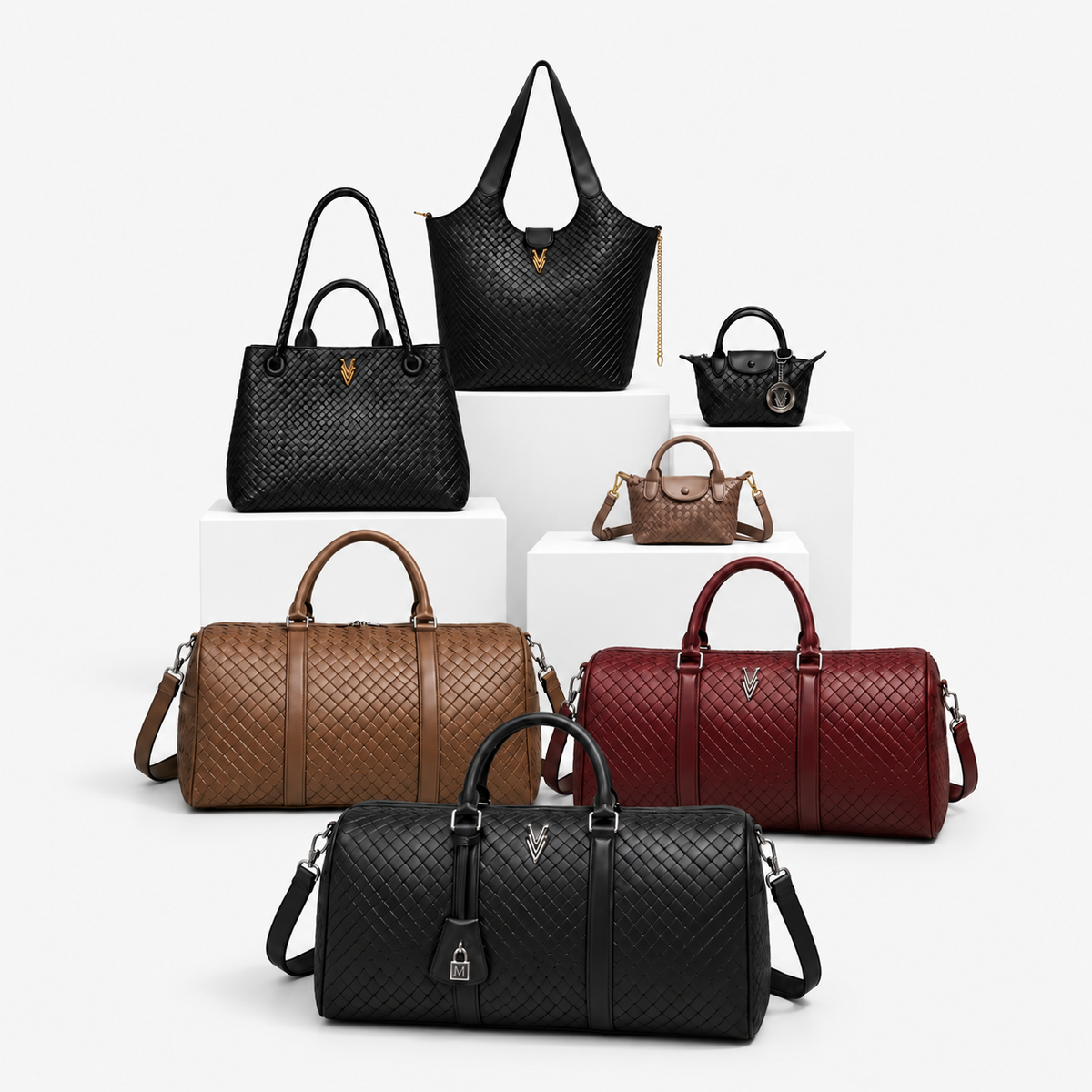
One bag can be remarkably versatile, but a small, thoughtful rotation often serves a real wardrobe better. A structured medium bag can cover polished daily use, a larger tote or backpack can support work and travel, and a compact crossbody can handle lighter plans. These pieces do not need to match exactly. They simply need to share a point of view.
Keeping your palette cohesive makes switching bags effortless. If your wardrobe leans toward cool neutrals, choose hardware and colors that complement that direction. If you prefer warmer tones, a cognac-inspired or deep brown vegan leather finish may integrate more naturally. A consistent material feel and design language will make each bag feel like part of a collection rather than a separate purchase.
The most lasting everyday carry bag is not necessarily the trendiest or most elaborate. It is the one you pick up without hesitation because it holds what you need, suits where you are going, and feels entirely like you.