Vegan Leather vs Leather: What Matters
A bag can look perfect on a product page and still feel wrong once it is in your hands. That is usually where the vegan leather vs leather question becomes real - not as a debate, but as a decision about how you want a piece to wear, function, and fit into your life.
For some shoppers, the answer starts with ethics. For others, it starts with texture, structure, maintenance, or price. And for many, it is all of those things at once. If you are choosing between vegan leather and traditional leather for a handbag, wallet, duffle, or everyday carry piece, the smartest approach is not to ask which material is universally better. It is to ask which one better matches your standards.
Vegan leather vs leather: the core difference
Traditional leather is made from animal hide, most commonly cowhide, then processed and finished for fashion or accessory use. Vegan leather is designed to deliver a leather-like look and feel without using animal materials. Depending on the product, that can mean polyurethane-based material, recycled synthetics, or newer plant-forward blends.
That distinction matters because these materials do not age, perform, or communicate value in exactly the same way. Leather has long been associated with heritage and patina. Vegan leather speaks more directly to cruelty-free design, material innovation, and a modern approach to luxury. Neither category is as simple as its label suggests.
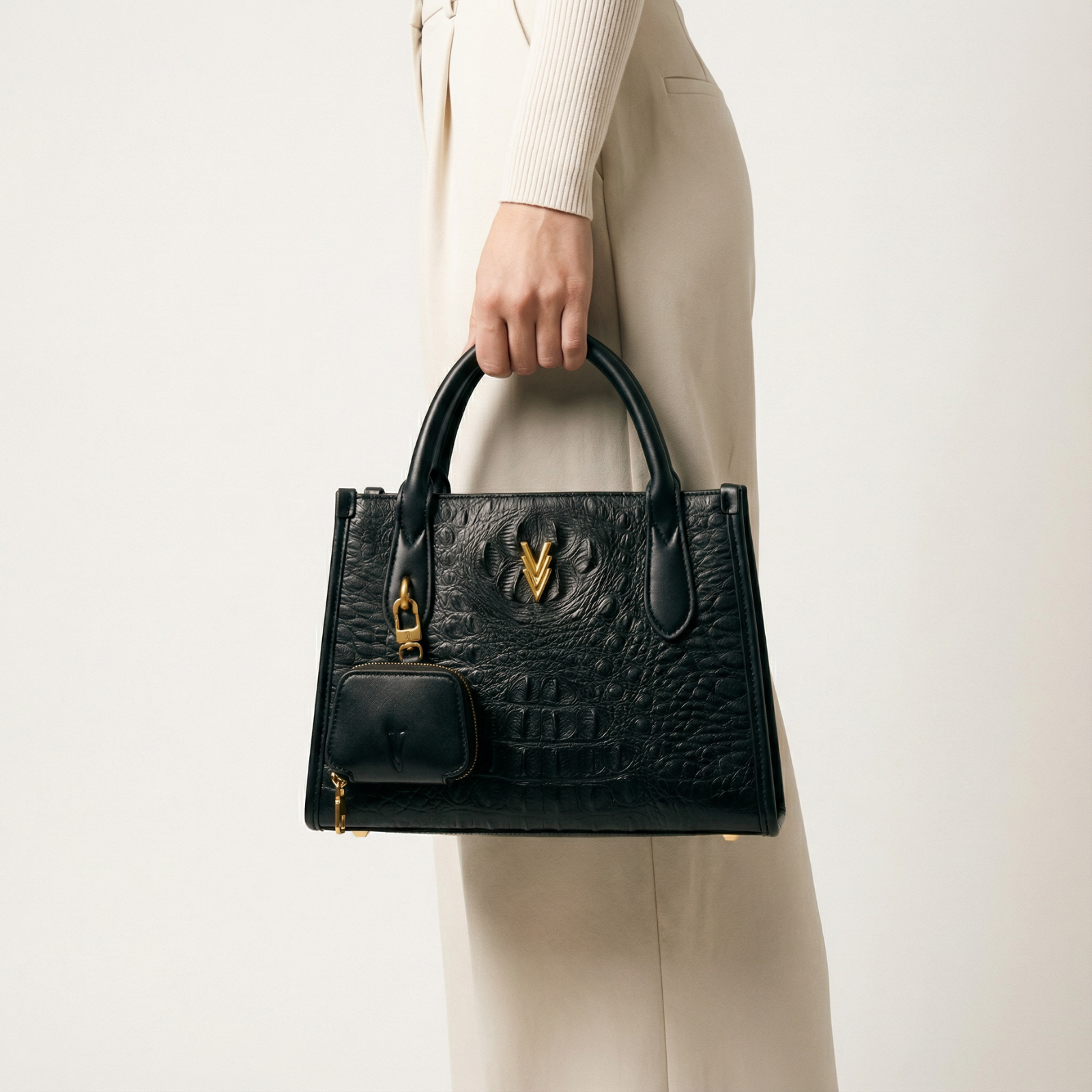
A full-grain leather tote and a corrected-grain leather wallet are both leather, but they will not behave the same way. The same is true for vegan alternatives. A well-made premium vegan leather crossbody can feel refined, hold its shape beautifully, and wear consistently, while a lower-grade version can crease, peel, or feel overly plastic. Material category matters, but construction and finish matter just as much.
How each material looks and feels
If your priority is visual polish, both materials can be compelling. The difference is often in the kind of beauty you want.
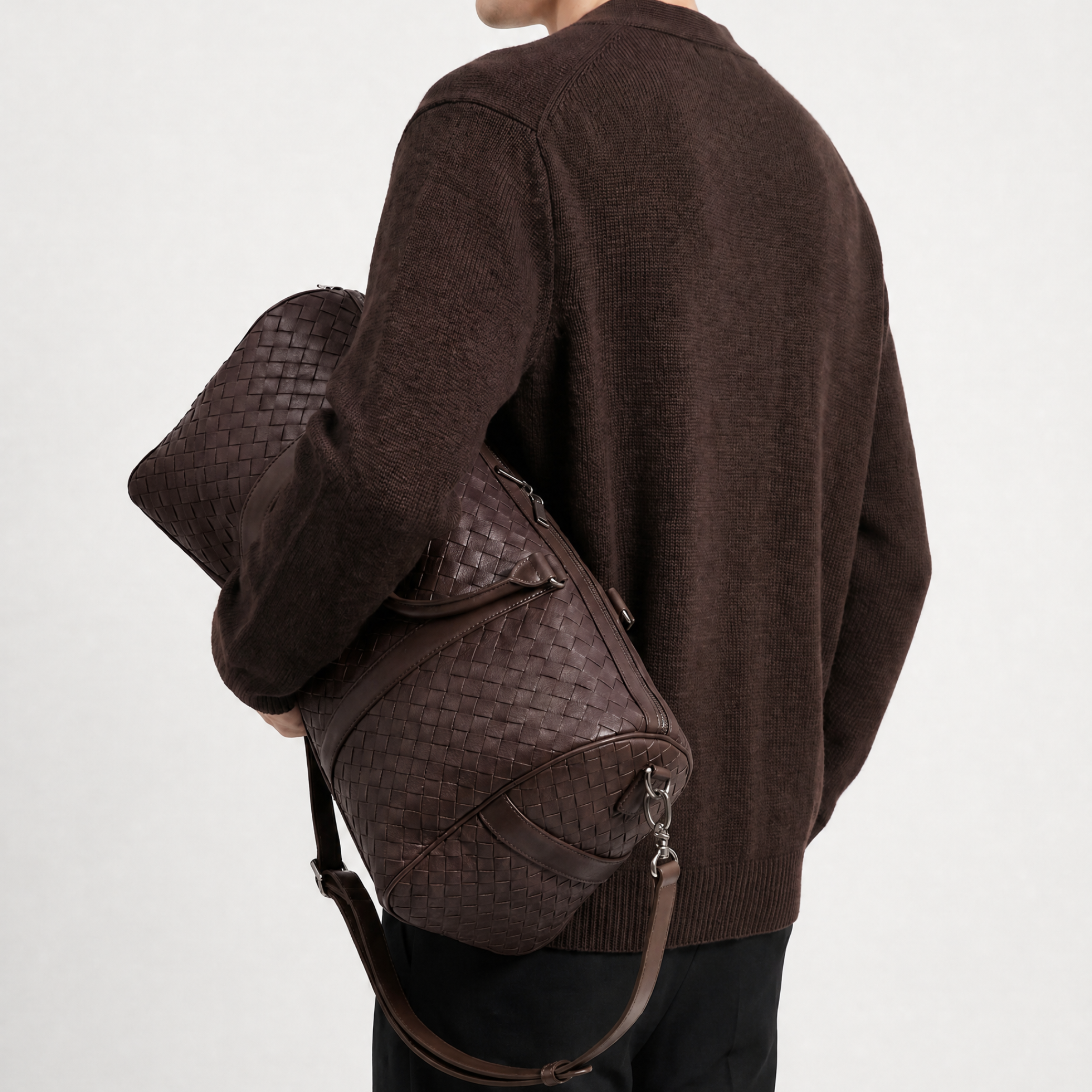
Leather tends to have natural variation. Grain, pores, and tonal shifts give it an organic appearance that many people find rich and familiar. Over time, traditional leather can soften and develop a lived-in finish that feels personal. That evolution is part of the appeal.
Premium vegan leather usually offers a more controlled surface. The texture can be cleaner, the color more consistent, and the silhouette more architectural. For shoppers drawn to modern lines, crisp structure, and a refined finish that stays visually stable, that consistency can be a strength rather than a compromise.
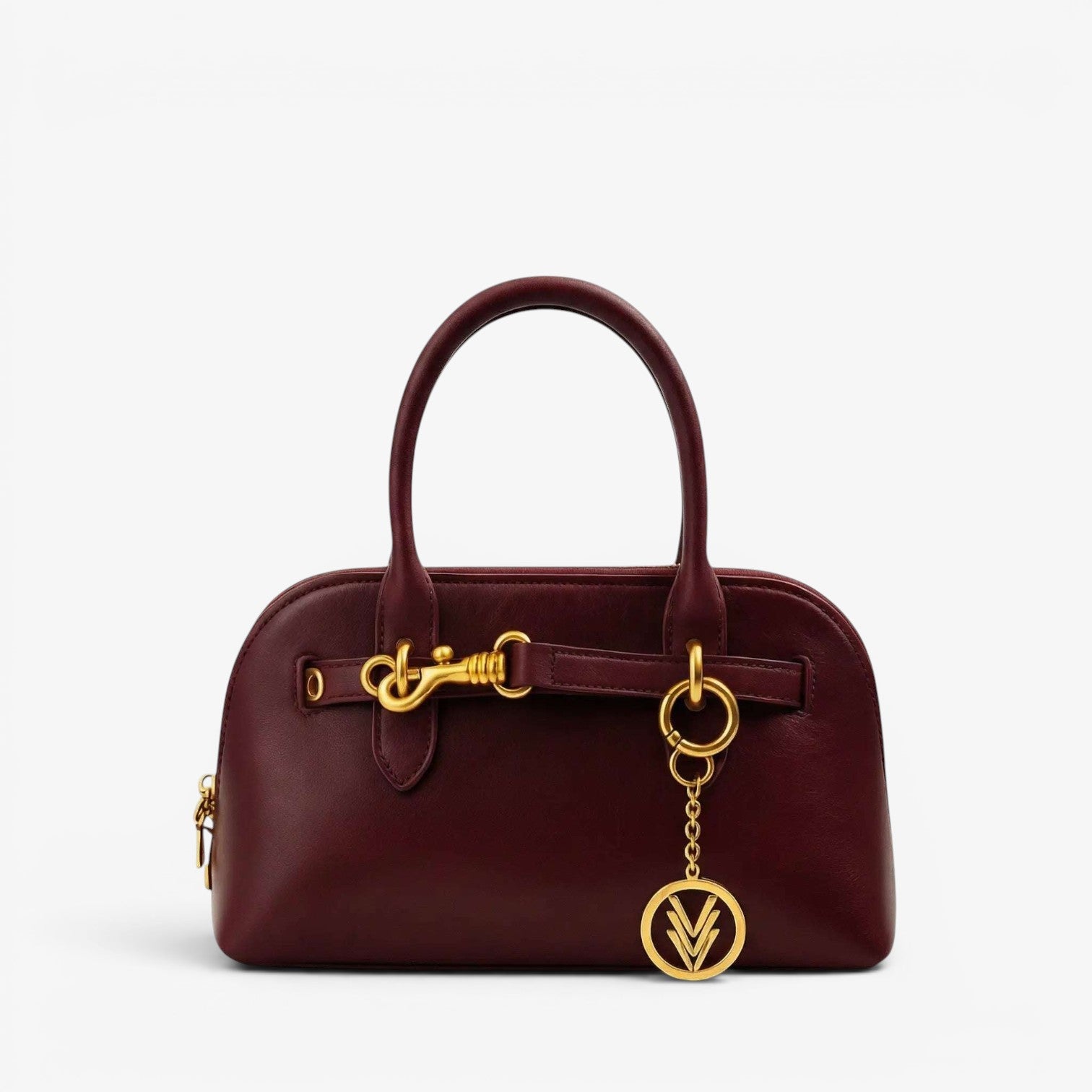
This is especially relevant in fashion accessories where shape matters. A mini bag with sharp edges, a shoulder bag with a smooth matte finish, or a travel piece with a streamlined profile often benefits from a material that keeps its design language intact. In that context, vegan leather can feel intentional and elevated.
Durability is not one simple question
When people compare vegan leather vs leather, durability usually becomes the deciding factor. But durability has layers. Are you asking how long the material lasts, how it handles daily friction, how it resists moisture, or how gracefully it ages?
Traditional leather can last for years, even decades, especially when it is high quality and properly maintained. It is known for strength and longevity, but it is also vulnerable to scratches, water spots, drying, and staining if neglected. Leather can age beautifully, though that aging is not always neat. It marks, darkens, and changes with use.
Vegan leather does not usually develop patina in the same way. Instead, the goal is often consistency. A quality vegan leather bag may keep its original appearance longer in daily conditions, especially if you want a cleaner, more uniform look. It can also be easier around light moisture and simpler to wipe down after travel or commuting.
That said, not all vegan leather is built for the same lifespan. Lower-end synthetic materials may crack or peel over time, particularly in areas with repeated bending. Better versions, paired with strong stitching, thoughtful paneling, and durable hardware, perform far more convincingly. In accessories, good design can extend material performance significantly.
Care and maintenance in real life
Material choice often becomes clear when you think about your actual routine rather than your ideal one.
Leather asks for care. That may mean conditioning, proper storage, and a little patience when marks appear. For some people, that ritual feels luxurious. For others, it feels like work. If you carry one bag every day, move between office, gym, dinner, and airport, and want a piece that handles the pace without much attention, vegan leather often fits more naturally into that rhythm.
Most vegan leather styles are relatively low maintenance. A soft cloth and gentle cleaning are usually enough for day-to-day upkeep. That practicality matters if you want your accessories to feel polished without becoming precious.
For travel bags, belt bags, and work totes, ease of care is not a minor detail. It is part of the product experience. Modern function is not only about pockets and straps. It is also about how a material supports the way you live.
Cost, value, and what premium really means
Leather often carries a higher entry price, especially in better grades. Part of that cost reflects the raw material itself, but price alone does not guarantee quality. Plenty of leather goods trade on the word leather while cutting corners elsewhere.
Vegan leather usually opens the door to a more accessible premium look. It allows brands to invest in silhouette, hardware, interior organization, and design finish while keeping the product within reach of a broader customer. For shoppers who care about aesthetics and utility as much as material tradition, that can represent strong value.
The more useful question is not whether one material is cheaper. It is whether the product feels well considered. Does the bag hold its shape? Are the seams clean? Does the lining feel durable? Is the strap comfortable? Does the finish support the design rather than imitate something else poorly?
Premium is not just a material claim. It is the sum of design discipline, craftsmanship, and daily usability.
The ethics and sustainability conversation
This is where the comparison becomes more personal.
Many shoppers choose vegan leather because avoiding animal materials is non-negotiable. That decision reflects a clear set of values, and it is one reason vegan accessories continue to resonate with style-conscious consumers who want their wardrobe to align with a more conscious standard.
At the same time, sustainability is not always straightforward. Traditional leather is natural in origin, but leather production involves resource-heavy processing and chemical tanning. Vegan leather avoids animal use, yet some synthetic versions rely on petroleum-based inputs. Newer material innovations are improving the category, but not every product on the market makes the same environmental claim.
So if your concern is broader than cruelty-free sourcing, it helps to look beyond the label. Material composition, manufacturing choices, longevity, and how often you will actually use the item all shape the impact of a purchase.
In practice, the most responsible accessory is often one that is chosen carefully, used often, and designed to stay relevant beyond one season.
Which material makes more sense for handbags and accessories?
For structured handbags, sleek crossbody styles, travel pieces, and everyday wallets, vegan leather makes a strong case. It supports clean lines, modern finishes, easier maintenance, and a cruelty-free point of view that many shoppers now see as essential rather than niche.
For those who love the sensory familiarity of natural hide and the character that comes with age, traditional leather still holds appeal. It can feel deeply personal over time, especially in pieces meant to soften and evolve.
But there is a reason premium vegan accessories continue to earn space in thoughtfully built wardrobes. They offer a balance that feels very current: elevated design, intentional craftsmanship, and practical wear without relying on animal leather. That combination is particularly compelling when you want a bag that moves easily from weekday to weekend, from work to travel, and from trend cycle to lasting staple.
At VAGOShops, that balance is central to the design philosophy. Vegan leather is not treated as a substitute. It is treated as the foundation for refined, versatile accessories built to look polished and function beautifully.
How to choose without overthinking it
If you want one answer, here it is: choose leather if you value natural aging, tactile variation, and heritage feel enough to maintain it. Choose vegan leather if you want a cruelty-free material, a more consistent finish, and easier day-to-day use.
If you are still undecided, think about your favorite bag silhouette. A slouchy piece you want to soften over time may point you toward leather. A sharp mini bag, a clean work tote, or a sleek belt bag may feel better in vegan leather. The right material should support the design, not fight it.
Style is rarely about choosing the most traditional option. It is about choosing with clarity. The best accessory is the one that fits your values, your habits, and your eye so naturally that carrying it feels effortless.